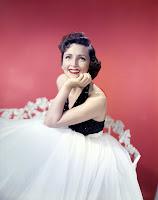
Ronnie Spector, best known as the lead singer of The Ronettes, died today, Wednesday, January 12 2022, at the age 78 after a short battle with cancer.
Ronnie Spector was born Veronica Bennett on August 10 1943 in New York City. Her mother was of African American/Cherokee descent and her father was Irish American. Young Ronnie, along with her sister Estelle and their cousin Nedra Talley, would go to their grandmother's house on Saturday where much of their time was spent singing. It as in 1957 that she formed her own girl group, consisting of Estelle, Nedra, and their other cousins Diane and Elaine. Eventually a male cousin, Ira, was added to the group. The group performed at a Wednesday amateur night at the Apollo Theatre, at which Ira was to be the lead singer. When he failed to sing, it was Ronnie who took over the lead vocals.
Following that amateur night at the Apollo, Ira, Diane, and Elaine left the group. The remaining members (Ronnie, Estelle, and Nedra) started taking singing lessons The three of them performed at sock hops and bar mitzvahs. Under the name Ronnie and the Relatives, they were eventually signed to Colpix Records. The label issued the singles "I Want a Boy" and "I'm Gonna Quit While I'm Ahead," neither of which charted. Renamed The Ronettes, their next single was a cover of The Rays "Silhouettes." Both it and a reissue of "I'm Gonna Quit While I'm Ahead" failed to chart.
Unhappy with Colpix, it was Estelle who got in touch with producer Phil Spector. The Ronettes auditioned for Spector. Initially he wanted to sign only Ronnie, but Ronnie's mother made it clear that he had to sign the whole group or there would be no deal. Regardless, The Ronette recorded the single "Chubby Danny D"/"Why Don't They Let Us Fall in Love," which was released under Ronnie's given name "Veronica." It failed to chart. The Ronettes would record more songs for Phil Spector, including covers of "The Twist", "The Wah-Watusi," and "Mashed Potato Time," but the songs were credited to another one of Spector's groups, The Crystals.
It was finally in July 1963 that The Ronettes recorded the song "Be My Baby." The song proved not only to be their first hit, but their biggest hit ever. It reached no. 2 on the Billboard Hot 100. It would be followed by the hits "Baby, I Love You," "(The Best Part of) Breakin' Up," "Do I Love You?," and "Walking in the Rain." They were also featured on the classic Christmas album A Christmas Gift for You from Philles Records, performing the songs "Frosty the Snowman," "Sleigh Ride," and . "I Saw Mommy Kissing Santa Claus."
Unfortunately, by early 1965 The Ronettes' fortunes had begun to change. Their single "Born to Be Together" only reached no. 52 on the Billboard Hot 100. Their next few singles performed even more poorly. It was then in 1967 that The Ronettes broke up.
In 1969 Ronnie Spector recorded "You Came, You Saw, You Conquered," which was released on A&M Records and credited to The Ronettes Featuring the Voice of Veronica, even though none of the other Ronettes appeared on the record. It was in 1971 that Ronnie Spector recorded the song "Try Some, Buy Some," which was written by George Harrison and released on The Beatles' label Apple Records. It was in 1972 that Ronnie Spector, who had married Phil Spector in 1968, left him after years of abuse. Unfortunately, in the 1974 settlement between the two she gave up all of her future record earnings. It would not be until the Nineties that Ronnie Spector was able to receive $1 million in royalties from Phil Spector after years of legal battles.
It was in 1973 that Ronnie Spector formed a new version of The Ronettes, with two new members. They recorded as Ronnie and The Ronettes. They released two singles ("Lover Lover" and "I Wish I Never Saw the Sunshine") on Buddah Records, neither of which charted. By 1975 Ronnie Spector had returned to being a solo act and over the next few years released the singles "You'd Be Good for Me," "Paradise," "Say Goodbye to Hollywood," "It's a Heartache," and "Darlin'."
In 1976 she sang a duet with Southside Johnny on Southside Johnny & the Asbury Jukes' song"You Mean So Much to Me." In 1980 her first solo album, Siren, was released. In 1986 she sang on Eddie Money's single "Take Me Home Tonight." In 1987 her second solo album, Unfinished Business, was released. It was in 1988 that she began performing Ronnie Spector's Christmas Party each Christmas season at B.B. King Blues Club & Grill in New York City. In 1999 her EP She Talks to Rainbows was released. It was produced by Joey Ramone and Daniel Rey. She released two more EPs (Something's Gonna Happen in 2003 and Best Christmas Ever in 2010) and two more albums The Last of the Rock Stars and English Heart. English Heart proved to be a hit, reaching no 6 on the Billboard Top Heatseekers Chart. Ronnie Spector also sang backing vocals on The Raveonettes' song "Ode to LA" from their album 2005 Pretty in Black.
The word "legend" is sometimes overused, but it is certainly appropriate to call Ronnie Spector a legend. She had an incredible voice, absolutely powerful and one of a kind. She could convey joy, sorrow, and every emotion in between with ease. With The Ronettes she also changed girl groups forever. While previous girl groups tended to be nearly virginal, The Ronettes were open in their sex appeal. As Ronnie Spector said in her memoir, Be My Baby: How I Survived Mascara, Miniskirts, and Madness, "We weren't afraid to be hot. That was our gimmick." Ultimately, Ronnie Spector and The Ronettes would have a lasting impact on future music artists. Artists from The Ramones to The Raveonettes to Amy Winehouse were all influenced by them. Ronnie Spector's success on the charts may have been short-lived, but their impact on music will last forever.
Wednesday, January 12, 2022
Monday, January 10, 2022
The Late Great Peter Bogdanovich
Film historian, director, and actor Peter Bogdanovich died on January 6 2022 at the age of 82. The cause was complications from Parkinson's disease.
Peter Bogdanovich was born on July 30 1939 in Kingston, New York. He grew up on the Upper West Side of Manhattan. Both his father and mother were immigrants. His father was Serbian and his mother was Austrian. When he was young his father would take Peter Bogdanovich to see silent movies at the Museum of Modern Art. He was still very young when he fell in love with the cinema, so much so that by the time he was 12 he would keep a file of index cards in which he would assess the movies he had seen. He was a teenager when he studied acting under Stella Adler. He acted Off Broadway and in summer stock. In 1958 he made his television debut in an episode of Kraft Television Theatre. He directed an Off Broadway revival of The Big Knife when he was 20.
It was around the same time that he started writing about the cinema. He was published in such venues as Esquire, The Saturday Evening Post, and even the French magazine Cahiers du Cinéma. He served as a film programmer for both the New Yorker Theatre and the Museum of Modern Art. It was in 1961 that his first book, The Cinema of Orson Welles, was published. Over the decades it would be followed by The Cinema of Howard Hawks, The Cinema of Alfred Hitchcock, John Ford, Fritz Lang in America, Allan Dwan, and other books on the cinema. His early articles on film were collected in the 1973 book Pieces of Time. He recorded several hours of conversation with Orson Welles, which would ultimately result in the 1992 book This is Orson Welles. He also wrote the book Killing of the Unicorn: Dorothy Stratten 1960–1980, which dealt with his relationship with actress Dorothy Stratten, and A Year and a Day Engagement Calendar 1992: A Desk Diary Adapted From the Works of Robert Graves.
It was in 1964 that Peter Bogdanovich moved to Hollywood to break into the film industry. There he met Roger Corman, who gave him a job. He served as an assistant director on Mr. Corman's The Wild Angels (1966). Roger Corman produced Peter Bogdanovich's first film, Targets (1968). Targets was followed by the American International Pictures movie Voyage to the Planet of Prehistoric Women, which Mr. Bogdanovich directed under the name Derek Thomas.
It was in 1971 that Peter Bogdanovich's breakthrough movie was released, The Last Picture Show. It received eight Academy Award nominations and won the Oscars for Best Supporting Actor for Ben Johnson and Best Supporting Actress for Cloris Leachman. Mr. Bogdoanovich followed it with the hit screwball comedy What's Up, Doc? (1972) and the period piece Paper Moon (1973). Unfortunately, Mr. Bogdanovich's next few movies would not be successful. Daisy Miller (1974), At Last Long Love (1975), and Nickelodeon (1976) did poorly at the box office and poorly with critics. His lower budget 1979 film Saint Jack was better received.
To a degree the Eighties would be better for Peter Bogdanovich as a director than the late Seventies had been. They All Laughed (1981) received some good reviews, but ultimately failed at the box office. In contrast, Mask (1985) proved to be a box office hit and to be critically acclaimed. Unfortunately his next two films, Illegally Yours (1988) and Texaville (1990) would be both critical and box office failures.
In the Nineties Peter Bogdanovich turned to directing television. During the decade he directed episodes of Picture Windows, Fallen Angels, and The Wonderful World of Disney. He directed the TV movies Prowler; To Sir, with Love II; The Price of Heaven; Rescuers: Stories of Courage: Two Women; and Naked City: A Killer Christmas. He directed two feature films during the decade: Noises Off (1992) and The Thing Called Love (1993). In the Naughts he directed the film She's Funny That Way (2001). On television he directed an episode of The Mystery of Natalie Wood and an episode of the TV show The Sopranos. He directed the TV movie Hustle. In the Teens he directed the documentary The Great Buster (2018), about Buster Keaton.
While much of Peter Bodanovich's life was dedicated to writing and directing, he continued to act from time to time. He appeared in the film Lion's Love in 1969. He also played a role in his own film Saint Jack. In the Eighties he guest starred as himself on an episode of Moonlighting. In the Nineties he guest starred on the TV shows Northern Exposure (playing himself)), Picture Windows, and Cybil (playing himself). He in the TV movies Bella Mafia and Rated X. In 2000 he started playing the recurring role of Dr. Kuperferberg, the psychiatrist to Tony Soprano's psychiatrist, Dr. Melfi. He appeared in the movies Mr. Jealousy (1997), Highball (1997), 54 (1998), Coming Soon (1999), and The Independent (2000).
In the Naughts Mr. Bogdanovich continued to appear on The Sopranos. He appeared in the mini-series Out of Order. He guest starred on the shows 8 Simple Rules, The Simpsons, Law & Order: Criminal Intent, and How I Met Your Mother (as himself). He appeared in the movies Festival in Cannes (2001), The Definition of Insanity (2004), Infamous (2006), Dedication (2007), Broken English (2007), The Dukes (2007), The Fifth Patient (2007), The Doorman (2007), Humboldt County (2008), and Queen of the Lot (2010).
In the Teens he guest starred on the show Rizzoli & Isles. He had a recurring role on the show Get Shorty. He appeared in the movies Don't Let Me Go (2013), Cold Turkey (2013), Are You Here (2013), While We're Young (2014), Pearly Gates (2015), Durant's Never Closes (2016), The Tell-Tale Heart (2016), Between Us (2016), Six LA Love Stories (2016), Los Angeles Overnight (2018), Reborn (2018), The Other Side of the World (2018), The Creatress (2019), It Chapter Two (2019), and Willie and Me (2020).
Peter Bogdanovich was closely associated with Turner Classic Movies. In 2005 he hosted their program The Essentials. He also attended multiple TCM Classic Film Festivals. In 2020 he was the subject of TCM's podcast The Plot Thickens.
Peter Bogdanovich has long been one of my favourite directors. In fact, it is fully possible that What's Up, Doc? was the first screwball comedy I ever saw. When I was older was able to see such comedies as Bringing Up Baby and The Awful Truth, and I realized just how much What's Up, Doc? had drawn upon the screwball comedies of the Golden Age for inspiration. They All Laughed is another favourite of mine. When I first saw it I thought that critics and audiences had seriously undervalued it. Paper Moon captured the Depression very well, while remaining very funny. Of course, while Mr. Bogdanovich was good at comedy, he was equally adept at drama. The Last Picture Show remains a classic to this day.
Of course, if Peter Bogdanovich was a great director, it is perhaps because he knew so much about the Golden Age of Hollywood. Mr. Bogdanovich was an excellent film historian, writing several books and making documentaries about the subject. Through it all his love of classic film showed through. More so than many, he did a good deal to spread love for classic film. He was certainly remarkable as both a director and film historian.
Peter Bogdanovich was born on July 30 1939 in Kingston, New York. He grew up on the Upper West Side of Manhattan. Both his father and mother were immigrants. His father was Serbian and his mother was Austrian. When he was young his father would take Peter Bogdanovich to see silent movies at the Museum of Modern Art. He was still very young when he fell in love with the cinema, so much so that by the time he was 12 he would keep a file of index cards in which he would assess the movies he had seen. He was a teenager when he studied acting under Stella Adler. He acted Off Broadway and in summer stock. In 1958 he made his television debut in an episode of Kraft Television Theatre. He directed an Off Broadway revival of The Big Knife when he was 20.
It was around the same time that he started writing about the cinema. He was published in such venues as Esquire, The Saturday Evening Post, and even the French magazine Cahiers du Cinéma. He served as a film programmer for both the New Yorker Theatre and the Museum of Modern Art. It was in 1961 that his first book, The Cinema of Orson Welles, was published. Over the decades it would be followed by The Cinema of Howard Hawks, The Cinema of Alfred Hitchcock, John Ford, Fritz Lang in America, Allan Dwan, and other books on the cinema. His early articles on film were collected in the 1973 book Pieces of Time. He recorded several hours of conversation with Orson Welles, which would ultimately result in the 1992 book This is Orson Welles. He also wrote the book Killing of the Unicorn: Dorothy Stratten 1960–1980, which dealt with his relationship with actress Dorothy Stratten, and A Year and a Day Engagement Calendar 1992: A Desk Diary Adapted From the Works of Robert Graves.
It was in 1964 that Peter Bogdanovich moved to Hollywood to break into the film industry. There he met Roger Corman, who gave him a job. He served as an assistant director on Mr. Corman's The Wild Angels (1966). Roger Corman produced Peter Bogdanovich's first film, Targets (1968). Targets was followed by the American International Pictures movie Voyage to the Planet of Prehistoric Women, which Mr. Bogdanovich directed under the name Derek Thomas.
It was in 1971 that Peter Bogdanovich's breakthrough movie was released, The Last Picture Show. It received eight Academy Award nominations and won the Oscars for Best Supporting Actor for Ben Johnson and Best Supporting Actress for Cloris Leachman. Mr. Bogdoanovich followed it with the hit screwball comedy What's Up, Doc? (1972) and the period piece Paper Moon (1973). Unfortunately, Mr. Bogdanovich's next few movies would not be successful. Daisy Miller (1974), At Last Long Love (1975), and Nickelodeon (1976) did poorly at the box office and poorly with critics. His lower budget 1979 film Saint Jack was better received.
To a degree the Eighties would be better for Peter Bogdanovich as a director than the late Seventies had been. They All Laughed (1981) received some good reviews, but ultimately failed at the box office. In contrast, Mask (1985) proved to be a box office hit and to be critically acclaimed. Unfortunately his next two films, Illegally Yours (1988) and Texaville (1990) would be both critical and box office failures.
In the Nineties Peter Bogdanovich turned to directing television. During the decade he directed episodes of Picture Windows, Fallen Angels, and The Wonderful World of Disney. He directed the TV movies Prowler; To Sir, with Love II; The Price of Heaven; Rescuers: Stories of Courage: Two Women; and Naked City: A Killer Christmas. He directed two feature films during the decade: Noises Off (1992) and The Thing Called Love (1993). In the Naughts he directed the film She's Funny That Way (2001). On television he directed an episode of The Mystery of Natalie Wood and an episode of the TV show The Sopranos. He directed the TV movie Hustle. In the Teens he directed the documentary The Great Buster (2018), about Buster Keaton.
While much of Peter Bodanovich's life was dedicated to writing and directing, he continued to act from time to time. He appeared in the film Lion's Love in 1969. He also played a role in his own film Saint Jack. In the Eighties he guest starred as himself on an episode of Moonlighting. In the Nineties he guest starred on the TV shows Northern Exposure (playing himself)), Picture Windows, and Cybil (playing himself). He in the TV movies Bella Mafia and Rated X. In 2000 he started playing the recurring role of Dr. Kuperferberg, the psychiatrist to Tony Soprano's psychiatrist, Dr. Melfi. He appeared in the movies Mr. Jealousy (1997), Highball (1997), 54 (1998), Coming Soon (1999), and The Independent (2000).
In the Naughts Mr. Bogdanovich continued to appear on The Sopranos. He appeared in the mini-series Out of Order. He guest starred on the shows 8 Simple Rules, The Simpsons, Law & Order: Criminal Intent, and How I Met Your Mother (as himself). He appeared in the movies Festival in Cannes (2001), The Definition of Insanity (2004), Infamous (2006), Dedication (2007), Broken English (2007), The Dukes (2007), The Fifth Patient (2007), The Doorman (2007), Humboldt County (2008), and Queen of the Lot (2010).
In the Teens he guest starred on the show Rizzoli & Isles. He had a recurring role on the show Get Shorty. He appeared in the movies Don't Let Me Go (2013), Cold Turkey (2013), Are You Here (2013), While We're Young (2014), Pearly Gates (2015), Durant's Never Closes (2016), The Tell-Tale Heart (2016), Between Us (2016), Six LA Love Stories (2016), Los Angeles Overnight (2018), Reborn (2018), The Other Side of the World (2018), The Creatress (2019), It Chapter Two (2019), and Willie and Me (2020).
Peter Bogdanovich was closely associated with Turner Classic Movies. In 2005 he hosted their program The Essentials. He also attended multiple TCM Classic Film Festivals. In 2020 he was the subject of TCM's podcast The Plot Thickens.
Peter Bogdanovich has long been one of my favourite directors. In fact, it is fully possible that What's Up, Doc? was the first screwball comedy I ever saw. When I was older was able to see such comedies as Bringing Up Baby and The Awful Truth, and I realized just how much What's Up, Doc? had drawn upon the screwball comedies of the Golden Age for inspiration. They All Laughed is another favourite of mine. When I first saw it I thought that critics and audiences had seriously undervalued it. Paper Moon captured the Depression very well, while remaining very funny. Of course, while Mr. Bogdanovich was good at comedy, he was equally adept at drama. The Last Picture Show remains a classic to this day.
Of course, if Peter Bogdanovich was a great director, it is perhaps because he knew so much about the Golden Age of Hollywood. Mr. Bogdanovich was an excellent film historian, writing several books and making documentaries about the subject. Through it all his love of classic film showed through. More so than many, he did a good deal to spread love for classic film. He was certainly remarkable as both a director and film historian.
Sunday, January 9, 2022
Godspeed Dwayne Hickman
Dwayne Hickman, best known for playing Dobie Gillis in the sitcom The Many Loves of Dobie Gillis, died today, January 9 2022, at the age of 87. The cause was complications from Parkinson's disease.
Dwayne Hickman was born on May 18 1934 in Los Angeles. His older brother was actor Darryl Hickman, who appeared in such films as The Grapes of Wrath (1940) Leave Her To Heaven (1947). Dwayne Hickman received his first credited role when he was nine years old with the film Captain Eddie (1945). In the late Forties he appeared in several movies, including The Return of Rusty (1946), The Secret Heart (1946), The Boy with Green Hair (1948), and The Happy Years (1950). He appeared in six of Columbia's eight "Rusty" films, which followed the adventures of a dog named Rusty.
Dwayne Hickman made his television debut in an episode of The Lone Ranger in 1951. It was in 1955 that he began playing the regular role of Chuck McDonald, the girl crazy, teenage nephew of Bob Collins (Bob Cummings) on The Bob Cummings Show. It was his role on The Bob Cummings Show that would lead him being cast in the title role on The Many Loves of Dobie Gillis. While Mr. Hickman played the teen-aged Dobie on the show, he was 25 years old at the time. During the Fifties Dwayne Hickman guest starred on such shows as Public Defender, The Loretta Young Show, Lux Video Theatre, The Stu Erwin Show, Waterfront, The Adventures of Ozzie and Harriet, and Men of Annapolis. He appeared in the movie Rally 'Round the Flag, Boys! (1958) and provided the voice of Mr. Magoo's nephew in the animated feature 1001 Arabian Nights (1959).
In the Sixties Dwayne Hickman continued to star on Dobie Gillis. After the show's end he guest starred on such shows as The Greatest Show on Earth, Valentine's Day, Wagon Train, Combat!, Vacation Playhouse, Ironside, Insight, The Flying Nun, My Friend Tony, Walt Disney's Wonderful World of Colour, The Mod Squad, and Love, American Style. Mr. Hickman appeared in several of American International Pictures' "Beach Party" movies and films related to the "Beach Party" films, including Ski Party (1965), How to Stuff a Wild Bikini (1965), Sergeant Dead Head (1965), and Dr. Goldfoot and the Bikini Machine (1965). He played the con man Jed in the classic Cat Ballou (1965) and also appeared in the movie Doctor, You've Got Be Kidding! (1967).
In the Seventies Dwayne Hickman guest starred on the TV shows Love, American Style; Karen; Kolchak: The Night Stalker; and Ellery Queen. He reprised his role as Dobie Gillis in the failed pilot Whatever Happened to Dobie Gillis?. In the Seventies he worked for a time as entertainment director for Howard Hughes’ Landmark Hotel in Las Vegas. From 1977 to 1988 he was a programming executive at CBS.
In the Eighties Dwayne Hickman reprised his role as Dobie Gillis in the television reunion movie Bring Me the Head of Dobie Gillis in 1988. He also appeared in the TV movie High School U.S.A. and he guest stared on the show Murder, She Wrote. In 1989 he began directing TV shows. From the Eighties into the Nineties, Dwayne Hickman directed such shows as Duet, Charles in Charge, Open House, Designing Women, Get a Life, Head of the Class, Harry and the Hendersons, and Sister, Sister.
In the Nineties Dwayne Hickman played the recurring role of Tripp Mariens, the father of the character Amber (Elisa Donovan) on the TV show Clueless. He reprised his role as Dobie Gillis in a guest appearance on the show Hi Honey, I'm Home. He appeared in the movies Cops n Roberts (1995) and A Night at the Roxbury (1998). He made a cameo in the 2001 TV movie Surviving Gilligan's Island: The Incredibly True Story of the Longest Three Hour Tour in History in 2001. His last appearance was a cameo in the movie Angels with Angles (2005).
Later in life Dwayne Hickman developed painting as a hobby.
I have been a fan of Dobie Gillis since I first saw it in reruns when I was young. Dwayne Hickman was perfect in the role of Dobie, the at times scheming teenager who wants money, popularity, and, to paraphrase the show's theme song, a girl to call his own. Mr. Hickman's was convincing as Dobie, which was remarkable given he was 25 at the time. Dwayne Hickman also did well in the role of Bob's nephew Chuck on The Bob Cummings Show. Chuck was always trying to get his Uncle Bob's attention, not to mention having his head turned by some pretty girl or another.
Of course, while Dwayne Hickman will always remain best known as Dobie Gillis, he played other roles. In Cat Ballou he played Jed, the con man who disguises himself as a preacher to spring his nephew from jail. In Doctor, You've Got Be Kidding, he played a shoe salesman who is an actor on the side. As an actor he specializes in death scenes.In the Ellery Queen episode "The Adventure of the Wary Witness," he played one of Ellery's old school chums accused of murdering a mobster. Dwayne Hickman could play a variety of roles and he had a real gift for comedy. His timing was perfect. While he'll always be remembered as Dobie Gillis, he did so much more.
Dwayne Hickman was born on May 18 1934 in Los Angeles. His older brother was actor Darryl Hickman, who appeared in such films as The Grapes of Wrath (1940) Leave Her To Heaven (1947). Dwayne Hickman received his first credited role when he was nine years old with the film Captain Eddie (1945). In the late Forties he appeared in several movies, including The Return of Rusty (1946), The Secret Heart (1946), The Boy with Green Hair (1948), and The Happy Years (1950). He appeared in six of Columbia's eight "Rusty" films, which followed the adventures of a dog named Rusty.
Dwayne Hickman made his television debut in an episode of The Lone Ranger in 1951. It was in 1955 that he began playing the regular role of Chuck McDonald, the girl crazy, teenage nephew of Bob Collins (Bob Cummings) on The Bob Cummings Show. It was his role on The Bob Cummings Show that would lead him being cast in the title role on The Many Loves of Dobie Gillis. While Mr. Hickman played the teen-aged Dobie on the show, he was 25 years old at the time. During the Fifties Dwayne Hickman guest starred on such shows as Public Defender, The Loretta Young Show, Lux Video Theatre, The Stu Erwin Show, Waterfront, The Adventures of Ozzie and Harriet, and Men of Annapolis. He appeared in the movie Rally 'Round the Flag, Boys! (1958) and provided the voice of Mr. Magoo's nephew in the animated feature 1001 Arabian Nights (1959).
In the Sixties Dwayne Hickman continued to star on Dobie Gillis. After the show's end he guest starred on such shows as The Greatest Show on Earth, Valentine's Day, Wagon Train, Combat!, Vacation Playhouse, Ironside, Insight, The Flying Nun, My Friend Tony, Walt Disney's Wonderful World of Colour, The Mod Squad, and Love, American Style. Mr. Hickman appeared in several of American International Pictures' "Beach Party" movies and films related to the "Beach Party" films, including Ski Party (1965), How to Stuff a Wild Bikini (1965), Sergeant Dead Head (1965), and Dr. Goldfoot and the Bikini Machine (1965). He played the con man Jed in the classic Cat Ballou (1965) and also appeared in the movie Doctor, You've Got Be Kidding! (1967).
In the Seventies Dwayne Hickman guest starred on the TV shows Love, American Style; Karen; Kolchak: The Night Stalker; and Ellery Queen. He reprised his role as Dobie Gillis in the failed pilot Whatever Happened to Dobie Gillis?. In the Seventies he worked for a time as entertainment director for Howard Hughes’ Landmark Hotel in Las Vegas. From 1977 to 1988 he was a programming executive at CBS.
In the Eighties Dwayne Hickman reprised his role as Dobie Gillis in the television reunion movie Bring Me the Head of Dobie Gillis in 1988. He also appeared in the TV movie High School U.S.A. and he guest stared on the show Murder, She Wrote. In 1989 he began directing TV shows. From the Eighties into the Nineties, Dwayne Hickman directed such shows as Duet, Charles in Charge, Open House, Designing Women, Get a Life, Head of the Class, Harry and the Hendersons, and Sister, Sister.
In the Nineties Dwayne Hickman played the recurring role of Tripp Mariens, the father of the character Amber (Elisa Donovan) on the TV show Clueless. He reprised his role as Dobie Gillis in a guest appearance on the show Hi Honey, I'm Home. He appeared in the movies Cops n Roberts (1995) and A Night at the Roxbury (1998). He made a cameo in the 2001 TV movie Surviving Gilligan's Island: The Incredibly True Story of the Longest Three Hour Tour in History in 2001. His last appearance was a cameo in the movie Angels with Angles (2005).
Later in life Dwayne Hickman developed painting as a hobby.
I have been a fan of Dobie Gillis since I first saw it in reruns when I was young. Dwayne Hickman was perfect in the role of Dobie, the at times scheming teenager who wants money, popularity, and, to paraphrase the show's theme song, a girl to call his own. Mr. Hickman's was convincing as Dobie, which was remarkable given he was 25 at the time. Dwayne Hickman also did well in the role of Bob's nephew Chuck on The Bob Cummings Show. Chuck was always trying to get his Uncle Bob's attention, not to mention having his head turned by some pretty girl or another.
Of course, while Dwayne Hickman will always remain best known as Dobie Gillis, he played other roles. In Cat Ballou he played Jed, the con man who disguises himself as a preacher to spring his nephew from jail. In Doctor, You've Got Be Kidding, he played a shoe salesman who is an actor on the side. As an actor he specializes in death scenes.In the Ellery Queen episode "The Adventure of the Wary Witness," he played one of Ellery's old school chums accused of murdering a mobster. Dwayne Hickman could play a variety of roles and he had a real gift for comedy. His timing was perfect. While he'll always be remembered as Dobie Gillis, he did so much more.
Friday, January 7, 2022
To Sir Sidney Poitier, with Love
The impact of Sidney Poitier on film history cannot be overestimated. Throughout his career he played Black characters who were not stereotypes. He was not only the first Black actor to win the Oscar for Best Actor, but he was the first major Black movie star. When he began directing movies in the Seventies, he was one of the few Black men to do so. He was active in the civil rights movement and took part in the March on Washington for Jobs and Freedom on August 28 1963. Very few, if any, have done as much as Sidney Poitier did to change the film industry and make it more inclusive. Sadly, Sir Sidney Poitier died yesterday, January 6 2022, at the age of 94.
Sidney Poitier was born on February 20 1927 in Miami, Florida to Bahamian farmers who would sell their produce there. He was born two months premature and his birth was unexpected for that reason. He spent the first ten years of his life on Cat Island, Bahamas. His family then moved to Nassau, Bahamas. He was fifteen yeas old when he was sent to Miami to live with his brother's family. He was sixteen years old when he moved to New York City and worked as a dishwasher, a ditch digger, a waterfront labourer, and a delivery man. During World War II Mr. Poitier enlisted in the United States Army by lying about his age. He served in a Veteran's Administration hospital in Northport, New York, where he was to help psychiatric patients. Sidney Poitier was offended by the cruel treatment that the patients received from many of the staff. After ten months he could no longer take seeing the patients abused and he pretended to be mentally disturbed in order to get out of the Army. Fortunately the psychiatrist who examined him proved to be sympathetic when Mr. Poitier explained his plight, and after five weeks gave him a release on the grounds of being mentally unfit.
It was in The Amsterdam News that Sidney Poitier read that the American Negro Theatre was seeking actors. Because he still had a thick West Indian accent, his first audition did not go well. Mr. Poitier then bought a radio and practised his English while listening to the announcers. A fellow co-worker helped him with his English. Even after all this work, he was only able to win a place at the American Negro Theatre after volunteering to work as a janitor for free.
His big break came when Harry Belafonte failed to show up at a rehearsal that was attended by a Broadway producer. The producer took notice of Mr. Poitier and he was cast in an all-Black production of Lysistrata on Broadway in 1946. He was then cast in a Broadway production of Anna Lucasta in 1947. Sidney Poitier's work on stage led to an offer from Darryl F. Zanuck to work in the film No Way Out (1950). In the film he played a Black doctor who must treat a white racist criminal (Richard Widmark). Over the next few years he appeared in the films Cry, the Beloved County (1951), Red Ball Express (1952), and Go Man Go (1954). His breakout role came with The Blackboard Jungle (1955), playing a rebellious high school student. He was nominated for the Oscar for Best Actor in Leading Role for The Defiant Ones (1958). Over the next few years he also appeared in the films Good-Bye, My Lady (1956), Edge of the City (1957), Something of Value (1957), Band of Angles (1957), The Mark of the Hawk (1957), Virgin Island (1958), Porgy and Bess (1959), and All the Young Men (1960). Sidney Poitier appeared on Broadway in A Raisin in the Sun. He made his television debut in 1952 in an episode of CBS Television Workshop. During the Fifties he guest starred on such shows as Omnibus, Kraft Television Theatre, and The Philco Television Playhouse.
Sidney Poitier began the Sixties with the film adaptation of A Raisin in the Sun in 1961. He won the Academy Award for Best Actor in a Leading Role for Lillie in the Field (1963). In 1967 he was the highest grossing movie star, appearing the movies To Sir, with Love (1967), In the Heat of the Night (1967), and Guess Who's Coming to Dinner (1967). He also appeared in the movies Paris Blues (1961), Pressure Point (1962), The Long Ships (1964), The Greatest Story Ever Told (1965), The Bedford Incident (1965), The Slender Thread (1965), A Patch of Blue (195), Duel at Diablo (1966), For Love of Ivy (1968), The Lost Man (1969), and They Call Me Mister Tibbs! (1970). He appeared ion Broadway in Carry Me Back to Morningside Heights in 1970.
In the Seventies Sidney Poitier appeared in the films Brother John (1971), The Organization (1971), Buck and the Preacher (1972), A Warm December (1973), Uptown Saturday Night (1974), The Wilby Conspiracy (1975), Let's Do It Again (1975), and A Piece of the Action (1977). Mr. Poitier made his directorial debut in 1972 with Buck and the Preacher. In the Seventies he directed the films A Warm December (1973), Uptown Saturday Night (1974), Let's Do It Again (1975), A Piece of the Action (1977), and Stir Crazy (1980).
In the Eighties Sidney Poitier starred in the movies Shoot to Kill (1988) and Little Nikita (1988). He directed the films Hanky Panky (1982), Fast Forward (1985), and Ghost Dad (1990). In the Nineties Mr. Poitier appeared on television in the mini-series Separate But Equal and Children of the Dust. He appeared in the TV movies To Sir, with Love II; Mandela and de Klerk; Free of Eden; David and Lisa; and The Simple Life of Noah Dearborn. He appeared in the movies Sneakers (1992) and The Jackal (1997). In 2001 he appeared in the The Last Brickmaker in America.
Sidney Poitier truly broke barriers in film. He was both the first Black actor and the first Bahamian actor to win the Academy Award for Best Actor in a Leading Role. He was also the first Black actor to win a BAFTA Award. Many of the films he made dealt with race, and he never played stereotypical roles. He was the first major Black movie star and as a result not only paved the way for other black actors, but helped increased diversity in Hollywood as well. When he began his directorial career in the Seventies, he was one of the few Black directors around.
In interviews Sidney Poitier often credited his success to simply being in the right place at the right time, but it seems likely most of it was due to his talent. Throughout his career he played a variety of roles. He played a Black doctor in No Way Out. In The Defiant Ones he played a Black convict chained to a white convict who have just escaped prison. He was both the teacher Mark Thackeray in To Sir, with Love and the police detective Virgil Tibbs in In the Heat of the Night. Over the years he played everything from handyman Homer Smith in Lilies in the Field to widower Dr. Matt Younger in A Warm December. What is more, he also played all of these roles well. He was also a talented director, directing such classic films as Buck and the Preacher, A Warm December, Uptown Saturday night, and Stir Crazy.
Sidney Poitier was also an activist and took part in the civil rights movement. Besides the March to Washington, he also took part in the Freedom Summer campaign in 1964 and the Poor People's Campaign in 1968. From 1997 to 2007 he was the Bahamian ambassador to Japan. He as the Bahamian ambassador to UNESCO from 2002 to 2007.
Over the years Sidney Poitier received many honours. He was knighted by Queen Elizabeth II in 1974. In 2009 In 2009, Poitier was awarded the Presidential Medal of Freedom from President Barack Obama. In 1995 he received the Kennedy Center Honour. Over the years he won many awards,including an Oscar for Best Actor and an Honorary Oscar, A BAFTA Award for Best Foreign Actor and a BAFTA Academy Fellowship, and yet others. The many honours bestowed upon Sidney Poitier reflect his importance in the history of film and his talent as an actor. It was that talent that allowed him to break through barriers.
Sidney Poitier was born on February 20 1927 in Miami, Florida to Bahamian farmers who would sell their produce there. He was born two months premature and his birth was unexpected for that reason. He spent the first ten years of his life on Cat Island, Bahamas. His family then moved to Nassau, Bahamas. He was fifteen yeas old when he was sent to Miami to live with his brother's family. He was sixteen years old when he moved to New York City and worked as a dishwasher, a ditch digger, a waterfront labourer, and a delivery man. During World War II Mr. Poitier enlisted in the United States Army by lying about his age. He served in a Veteran's Administration hospital in Northport, New York, where he was to help psychiatric patients. Sidney Poitier was offended by the cruel treatment that the patients received from many of the staff. After ten months he could no longer take seeing the patients abused and he pretended to be mentally disturbed in order to get out of the Army. Fortunately the psychiatrist who examined him proved to be sympathetic when Mr. Poitier explained his plight, and after five weeks gave him a release on the grounds of being mentally unfit.
It was in The Amsterdam News that Sidney Poitier read that the American Negro Theatre was seeking actors. Because he still had a thick West Indian accent, his first audition did not go well. Mr. Poitier then bought a radio and practised his English while listening to the announcers. A fellow co-worker helped him with his English. Even after all this work, he was only able to win a place at the American Negro Theatre after volunteering to work as a janitor for free.
His big break came when Harry Belafonte failed to show up at a rehearsal that was attended by a Broadway producer. The producer took notice of Mr. Poitier and he was cast in an all-Black production of Lysistrata on Broadway in 1946. He was then cast in a Broadway production of Anna Lucasta in 1947. Sidney Poitier's work on stage led to an offer from Darryl F. Zanuck to work in the film No Way Out (1950). In the film he played a Black doctor who must treat a white racist criminal (Richard Widmark). Over the next few years he appeared in the films Cry, the Beloved County (1951), Red Ball Express (1952), and Go Man Go (1954). His breakout role came with The Blackboard Jungle (1955), playing a rebellious high school student. He was nominated for the Oscar for Best Actor in Leading Role for The Defiant Ones (1958). Over the next few years he also appeared in the films Good-Bye, My Lady (1956), Edge of the City (1957), Something of Value (1957), Band of Angles (1957), The Mark of the Hawk (1957), Virgin Island (1958), Porgy and Bess (1959), and All the Young Men (1960). Sidney Poitier appeared on Broadway in A Raisin in the Sun. He made his television debut in 1952 in an episode of CBS Television Workshop. During the Fifties he guest starred on such shows as Omnibus, Kraft Television Theatre, and The Philco Television Playhouse.
Sidney Poitier began the Sixties with the film adaptation of A Raisin in the Sun in 1961. He won the Academy Award for Best Actor in a Leading Role for Lillie in the Field (1963). In 1967 he was the highest grossing movie star, appearing the movies To Sir, with Love (1967), In the Heat of the Night (1967), and Guess Who's Coming to Dinner (1967). He also appeared in the movies Paris Blues (1961), Pressure Point (1962), The Long Ships (1964), The Greatest Story Ever Told (1965), The Bedford Incident (1965), The Slender Thread (1965), A Patch of Blue (195), Duel at Diablo (1966), For Love of Ivy (1968), The Lost Man (1969), and They Call Me Mister Tibbs! (1970). He appeared ion Broadway in Carry Me Back to Morningside Heights in 1970.
In the Seventies Sidney Poitier appeared in the films Brother John (1971), The Organization (1971), Buck and the Preacher (1972), A Warm December (1973), Uptown Saturday Night (1974), The Wilby Conspiracy (1975), Let's Do It Again (1975), and A Piece of the Action (1977). Mr. Poitier made his directorial debut in 1972 with Buck and the Preacher. In the Seventies he directed the films A Warm December (1973), Uptown Saturday Night (1974), Let's Do It Again (1975), A Piece of the Action (1977), and Stir Crazy (1980).
In the Eighties Sidney Poitier starred in the movies Shoot to Kill (1988) and Little Nikita (1988). He directed the films Hanky Panky (1982), Fast Forward (1985), and Ghost Dad (1990). In the Nineties Mr. Poitier appeared on television in the mini-series Separate But Equal and Children of the Dust. He appeared in the TV movies To Sir, with Love II; Mandela and de Klerk; Free of Eden; David and Lisa; and The Simple Life of Noah Dearborn. He appeared in the movies Sneakers (1992) and The Jackal (1997). In 2001 he appeared in the The Last Brickmaker in America.
Sidney Poitier truly broke barriers in film. He was both the first Black actor and the first Bahamian actor to win the Academy Award for Best Actor in a Leading Role. He was also the first Black actor to win a BAFTA Award. Many of the films he made dealt with race, and he never played stereotypical roles. He was the first major Black movie star and as a result not only paved the way for other black actors, but helped increased diversity in Hollywood as well. When he began his directorial career in the Seventies, he was one of the few Black directors around.
In interviews Sidney Poitier often credited his success to simply being in the right place at the right time, but it seems likely most of it was due to his talent. Throughout his career he played a variety of roles. He played a Black doctor in No Way Out. In The Defiant Ones he played a Black convict chained to a white convict who have just escaped prison. He was both the teacher Mark Thackeray in To Sir, with Love and the police detective Virgil Tibbs in In the Heat of the Night. Over the years he played everything from handyman Homer Smith in Lilies in the Field to widower Dr. Matt Younger in A Warm December. What is more, he also played all of these roles well. He was also a talented director, directing such classic films as Buck and the Preacher, A Warm December, Uptown Saturday night, and Stir Crazy.
Sidney Poitier was also an activist and took part in the civil rights movement. Besides the March to Washington, he also took part in the Freedom Summer campaign in 1964 and the Poor People's Campaign in 1968. From 1997 to 2007 he was the Bahamian ambassador to Japan. He as the Bahamian ambassador to UNESCO from 2002 to 2007.
Over the years Sidney Poitier received many honours. He was knighted by Queen Elizabeth II in 1974. In 2009 In 2009, Poitier was awarded the Presidential Medal of Freedom from President Barack Obama. In 1995 he received the Kennedy Center Honour. Over the years he won many awards,including an Oscar for Best Actor and an Honorary Oscar, A BAFTA Award for Best Foreign Actor and a BAFTA Academy Fellowship, and yet others. The many honours bestowed upon Sidney Poitier reflect his importance in the history of film and his talent as an actor. It was that talent that allowed him to break through barriers.
Tuesday, January 4, 2022
The Late, Entirely Wonderful Betty White
When Betty White died on December 31 2021 at the age of 99, there was was an outpouring of grief of the like I have never seen in my lifetime. At 99 Betty had a extremely long career. In fact, she holds the record for the performer with the longest career in American television to Guinness World Records. She made her debut on the medium in 1938 only three months after she had graduated high school, at which point television was still largely experimental. She was also a television pioneer, serving as a producer on her sitcom Life with Elizabeth when very few women worked behind the camera. Of course, Betty White was also immensely talented. She had perfect comic timing and could come up with funny lines off the top of her head. It was that talent that allowed her to appear as a regular on multiple television shows, including Life with Elizabeth, Date with the Angels, three different shows titled The Betty White Show, The Mary Tyler Moore Show, Mama's Family, The Golden Girls, and Hot in Cleveland. As long as her career was and as prolific as she was, I don't think that is why everyone loves Betty White so. Instead it was because Betty was always sunny in disposition and well known for her kindness to other people. While one occasionally hears a bad word about other celebrities, one never heard any about Betty White. The world loved Betty White not simply because she was an incredibly talented actress and comedian, but because she was a truly good person.
Betty White was born on January 17 1922 in Oak Park, Illinois. In 1923 her family moved to Alhambra, California, at which point she was only a little over a year old. Her family later moved to Los Angeles. She graduated from Beverly Hills High School in 1939. Betty White wanted to be a forest ranger, but at the time women weren't allowed to become rangers. She then decided to become an actress. It was only three months after she graduated high school that she made her television debut. She and one of her classmates sang songs from The Merry Widow on an experimental television show. She worked as a model. Her first professional work was at the Bliss Hayden Little Theatre. During World War II she joined the American Women's Voluntary Services. Among other things, she drove a PX truck with military supplies to Hollywood Hills during her service.
Following World War II, Betty White resumed her career by working in radio. She had appeared on radio when she was only eight years old on the radio show The Empire Builders. As an adult she read commercials on radio and played small parts on radio shows.Ultimately she would appear on such shows as Family Theatre, Blondie, The Great Gildersleeve, and This is Your FBI. She eventually received her own radio show, The Betty White Show.
While Betty White had a successful carer in radio, it would be television that would be her medium. In 1949 Betty White began a long stint as the co-host of the live television variety and talk show Hollywood on Television. In 1951 she received her first Emmy nomination for Best Actress for her work on Hollywood on Television. In 1952 Betty White co-founded Bandy Productions with writer George Tibbles and producer Don Fedderson. Bandy Productions produced Betty White's sitcom, Life with Elizabeth, based on a character Betty had originated on Hollywood on Television. Life with Elizabeth centred on the title character played by Betty White, and her husband Alvin Del Moore). Elizabeth was a housewife with a mischievous streak and a tendency to get into various predicaments. Life with Elizabeth was very successful and ended its run only because Guild Films the show's production company, was worried about saturating secondary markets with the series. At about the same time Betty White was appearing in Life with Elizabeth, she was also appearing on her own variety show, The Betty White Show, on NBC. From 1957 to 1958 Betty White appeared in the classic sitcom Date with the Angels. During the Fifties Betty White also guest starred on The Millionaire and appeared on the game shows What's My Line?, To Tell the Truth, and Make the Connection, as well as Tonight Starring Jack Paar, In 1958 she hosted a revival of her variety and talk show The Betty White Show. In 1956 she began a 19 year stint hosting the Tournament of Roses Parade on NBC.
In the Sixties Betty White continued to appear on Tonight Starring Jack and Paar and The Tonight Show Starring Johnny Carson. She appeared frequently on game shows, including To Tell the Truth, You Don't Say, Password, What's My Line, The Match Game, It Takes Two, and others. She was a regular panel1ist on the game Liar's Club. She continued to host the Tournament of Roses Parade and she began hosting the Macy's Thanksgiving Day Parade on NBC with Lorne Greene in 1963. The two of them hosted the parade until 1972. She guest starred on the TV shows The United States Steel Hour, Another World, That's Life, and Petticoat Junction. Betty White made her film debut in Advise & Consent in 1962.
In 1973 Betty White began playing man hungry Sue Ann Nivens on The Mary Tyler Moore Show. She remained with the show until its run ended. In 1977 she followed The Mary Tyler Moore Show with her own sitcom, The Betty White Show. On the series she played Joyce Whitman, the star of the fictional show Undercover Woman. She also guest starred on the shows The Odd Couple, Lucas Tanner, Ellery Queen, The Rich Little Show, The Diahann Carroll Show, The Jim Nabors Show, Donnie and Marie, The Carol Burnett Show, and The Love Boat. From 1971 to 1972 she hosted The Pet Set. Betty White continued to appear frequently on games shows including I've Got a Secret, It's Your Bet, Password, You Don't Say, Tattletales, The Hollywood Squares, and others. She also appeared on several talk shows, including The Tonight Show Starring Johnny Carson, The Mike Douglas Show, and Dinah!. Betty White appeared in The Paul Lyne Halloween Special, as well as the TV movies With This Ring, Snavely, The Best Place to Be, Before and After, and The Gossip Columnist. Her stint as host of the Macy's Thanksgiving Day Parade on NBC came to an end in 1972 and her stint as the host of the Tournament of Roses Parade on NBC came to an end in 1975.
In 1983 Betty White started playing the recurring role of Ellen Harper Jackson (a role she had originated on The Carol Burnett Show). It was in 1985 that she began playing one of her most famous roles, that of feather-brained Rose Nylund on The Golden Girls. She would also play the role in guest appearances on Empty Nest. She guest starred on the shows Best of the West; Love Sidney; Fame; Hotel; St. Elsewhere; The Love Boat; D. C. Follies; Matlock; Santa Barbara; Days of Our Lives; and Carol & Company. Betty White hosted the game show Just Men! and continued to appear frequently on game shows, including The $25,000 Pyramid, Password Plus, Body Language, Family Feud, Wheel of Fortune, The New Hollywood Squares, and others.
Betty White continued to appear as Rose Nylund on The Golden Girls into the early Nineties. She also guest starred as Rose on Empty Nest and Nurses. She starred as Rose on the short-lived sequel series to The Golden Girls, The Golden Palace. She played the recurring role of Sylvia Schmidt on Bob Newhart's short-lived sitcom Bob. She was a regular on the short-lived shows Maybe This Time and Ladies Man. She guest starred on the shows Diagnosis Murder, The Naked Truth, The John Laroquette Show, Suddenly Susan, L.A. Doctors, Hercules, and Ally McBeal. She provided voices for the animated series The Lionhearts and The Wild Thornberrys. Betty White appeared in the movies Hard Rain (1998), Holy Man (1998), Lake Placid (1999), and The Story of Us (1999). She provided the voice of Round in the movie Whispers: An Elephant Tale (2000).
In the Naughts Betty White had a recurring role on Boston Legal. She appeared on the soap opera The Bold and the Beautiful. She was a regular voice on the animated show Pound Puppies. In 2010 she began her stint as Elka Ostrovsky on Hot in Cleveland. She guest starred on the shows The Ellen Show; Teacher's Pet; Yes, Dear; Providence; That '70s Show; I'm With Her; The Practice; Everwood; My Wife and Kids; Malcolm in the Middle; Complete Savages; Joey; Ugly Betty; The Middle; Glenn Martin DDS; My Name is Earl; 30 Rock; and Community. Betty White hosted Saturday Night Live. She provided guest voices on the animated shows King of the Hill, Grim & Evil, Gary the Rat, Family Guy, and The Simpsons. She appeared in the movies Bringing Down the House (2003), The Third Wish (2005), Love N' Dancing (2009), The Proposal (2009), and You Again (2010).
During the Teens Betty White continued to appear as Elka Ostrovsky on Hot in Cleveland. She was the host, and producer of Betty White's Off Their Rockers. She guest starred on the shows The Client List, Save Me, The Soul Man, Crowded, Bones, Young & Hungry, and Fireside Chat with Esther. Betty White appeared in the TV movie The Lost Valentine. She was a guest voice on the animated series Spongebob Squarepants. She was a voice in the animated movies The Lorax (2012), Toy Story 4 (2019), and Trouble (2019).
There may have been no celebrity as beloved as Betty White. As I said, I have certainly never seen as large an outpouring of grief for any single person as I have Betty. Much of it probably has to do with the length of her career. She first appeared on television in 1939. Her last appearance on television was last year. In between she appeared in numerous television shows. Betty White never had to make a comeback, because there was never a point in her career where she was not popular, never a point in her career where she was not relevant. She was always working and she never retired.
Of course, Betty White was able to work so long and so frequently because she was such an enormous talent. Her comic timing was perfect and she could improvize lines on the spot. No one could be as funny as Betty White. What is more, she was very adaptable. This can be seen in the roles she played in her various television shows over the years: the mischievous Elizabeth from Life with Elizabeth, the daydreamy Vicki Angel, the man-hungry Sue Ann Nivens, the scatterbrained Rose Nylund, and the caustic Elka Ostrovsky. All of these characters were different, and yet they were all funny. Her roles in movies were varied as well. In Bringing Down the House she played a character as far removed from her other characters as the character was from Betty White herself, an openly racist neighbour. In The Proposal she played the eccentric grandmother of lead character Andrew (Ryan Reynolds). I don't think Betty White ever quite got credit for her talent as an actress. She could certainly play a wide range of characters.
While the length of Betty White's career and her overwhelming talent are often acknowledged, I don't think her status as a television pioneer is acknowledged often enough. She produced her own show, Life with Elizabeth, at a time when few women worked behind the camera in television. While she was not the first woman to star in a sitcom (after all, I Love Lucy pre-dates by two years), she was one of the earliest to do so. She hosted such variety shows as Hollywood on Television and The Betty White Show at a time when most hosts were men. What is more, she had creative control on The Betty White Show. When she hosted Just Men!, she was the only female game show host on the air. When it came to being a television pioneer, perhaps only Lucille Ball rivalled Betty White as a trailblazer.
While Betty White had a long career, while she had great talent, and while she was a true pioneer, I think the reason she was so beloved and the reason we are all mourning her so is that she was the rarest of people, a genuinely good person. Throughout her career, one realized that Betty White cared about both her fellow human beings and her fellow living things. Among the many tributes to Betty White following her death is s tweet in which an individual explains how his boyfriend was a flight attendant flying from New York City to Los Angeles. While on the flight a passenger offered to help him serving the other passengers. The passenger took the coffee pot and proceeded to fill the cups of the other passengers. That passenger was Betty White. Todd Milliner, an executive producer on Hot in Cleveland, wrote in a long tribute to Betty, "We honour her because she was so full of kindness — kindness to people, kindness to animals and kindness to the world. That’s pretty rare right now." While one hears many horror stories about stars on the sets of movies and TV shows, one never heard a complaint about Betty White. It is a mark of Betty White's kindness and consideration for others that 10 days before her death, she recorded a tribute to her fans to be unveiled on her 100th birthday.
While Betty White was always kind and considerate, she was no pushover. She was not afraid to stand up for what she believed in. During World War II, she served in the Women's Voluntary Services. When Betty was starring in her talk/variety show The Betty White Show in the mid-Fifties, she hired what may have been the first female director of a variety show in American television. On that same show she had African American tap dancer Arthur Duncan as a regular cast member. When NBC affiliates in the South complained and threatened to drop the show if they did not get rid of Mr. Duncan, Betty White simply replied, "I'm sorry. Live with it." She then gave Arthur Duncan even more air time. Arthur Duncan credited Betty White with his big break. Of course, Betty White was well known as an animal welfare advocate. Among the groups she worked with regards to animal welfare were the Los Angeles Zoo Commission, The Morris Animal Foundation, African Wildlife Foundation, and Actors and Others for Animals. She supported LGBTQ rights at a time when it was not fashionable to do so.
Of course, as much as we loved Betty White, the love of her life was third husband Allen Ludden. The two had met on the game show Password. She never remarried after his untimely death in 1981 from stomach cancer. When asked by Larry King in an interview why she never remarried, she simply replied, "Once you've had the best, who needs the rest?" According to Vicki Lawrence, she was told by Carol Burnett that Betty's assistant told her that Betty's last word was, "Allen."
Betty White lived a long life and achieved things most of us can only dream of. She will never be forgotten. And if one believes in an afterlife, one has to believe that she has been reunited with her beloved Allen Ludden. If we are mourning so much for Betty White, it is largely for ourselves. With her wit, humour, graciousness, and kindness, Betty White brought light into a world that sorely needed it, and we loved her for it. Without Betty White, some of that light is gone, and we cannot help but miss her. As far as the world is concerned, at 99 years old Betty White died all too soon.
Betty White was born on January 17 1922 in Oak Park, Illinois. In 1923 her family moved to Alhambra, California, at which point she was only a little over a year old. Her family later moved to Los Angeles. She graduated from Beverly Hills High School in 1939. Betty White wanted to be a forest ranger, but at the time women weren't allowed to become rangers. She then decided to become an actress. It was only three months after she graduated high school that she made her television debut. She and one of her classmates sang songs from The Merry Widow on an experimental television show. She worked as a model. Her first professional work was at the Bliss Hayden Little Theatre. During World War II she joined the American Women's Voluntary Services. Among other things, she drove a PX truck with military supplies to Hollywood Hills during her service.
Following World War II, Betty White resumed her career by working in radio. She had appeared on radio when she was only eight years old on the radio show The Empire Builders. As an adult she read commercials on radio and played small parts on radio shows.Ultimately she would appear on such shows as Family Theatre, Blondie, The Great Gildersleeve, and This is Your FBI. She eventually received her own radio show, The Betty White Show.
While Betty White had a successful carer in radio, it would be television that would be her medium. In 1949 Betty White began a long stint as the co-host of the live television variety and talk show Hollywood on Television. In 1951 she received her first Emmy nomination for Best Actress for her work on Hollywood on Television. In 1952 Betty White co-founded Bandy Productions with writer George Tibbles and producer Don Fedderson. Bandy Productions produced Betty White's sitcom, Life with Elizabeth, based on a character Betty had originated on Hollywood on Television. Life with Elizabeth centred on the title character played by Betty White, and her husband Alvin Del Moore). Elizabeth was a housewife with a mischievous streak and a tendency to get into various predicaments. Life with Elizabeth was very successful and ended its run only because Guild Films the show's production company, was worried about saturating secondary markets with the series. At about the same time Betty White was appearing in Life with Elizabeth, she was also appearing on her own variety show, The Betty White Show, on NBC. From 1957 to 1958 Betty White appeared in the classic sitcom Date with the Angels. During the Fifties Betty White also guest starred on The Millionaire and appeared on the game shows What's My Line?, To Tell the Truth, and Make the Connection, as well as Tonight Starring Jack Paar, In 1958 she hosted a revival of her variety and talk show The Betty White Show. In 1956 she began a 19 year stint hosting the Tournament of Roses Parade on NBC.
In the Sixties Betty White continued to appear on Tonight Starring Jack and Paar and The Tonight Show Starring Johnny Carson. She appeared frequently on game shows, including To Tell the Truth, You Don't Say, Password, What's My Line, The Match Game, It Takes Two, and others. She was a regular panel1ist on the game Liar's Club. She continued to host the Tournament of Roses Parade and she began hosting the Macy's Thanksgiving Day Parade on NBC with Lorne Greene in 1963. The two of them hosted the parade until 1972. She guest starred on the TV shows The United States Steel Hour, Another World, That's Life, and Petticoat Junction. Betty White made her film debut in Advise & Consent in 1962.
In 1973 Betty White began playing man hungry Sue Ann Nivens on The Mary Tyler Moore Show. She remained with the show until its run ended. In 1977 she followed The Mary Tyler Moore Show with her own sitcom, The Betty White Show. On the series she played Joyce Whitman, the star of the fictional show Undercover Woman. She also guest starred on the shows The Odd Couple, Lucas Tanner, Ellery Queen, The Rich Little Show, The Diahann Carroll Show, The Jim Nabors Show, Donnie and Marie, The Carol Burnett Show, and The Love Boat. From 1971 to 1972 she hosted The Pet Set. Betty White continued to appear frequently on games shows including I've Got a Secret, It's Your Bet, Password, You Don't Say, Tattletales, The Hollywood Squares, and others. She also appeared on several talk shows, including The Tonight Show Starring Johnny Carson, The Mike Douglas Show, and Dinah!. Betty White appeared in The Paul Lyne Halloween Special, as well as the TV movies With This Ring, Snavely, The Best Place to Be, Before and After, and The Gossip Columnist. Her stint as host of the Macy's Thanksgiving Day Parade on NBC came to an end in 1972 and her stint as the host of the Tournament of Roses Parade on NBC came to an end in 1975.
In 1983 Betty White started playing the recurring role of Ellen Harper Jackson (a role she had originated on The Carol Burnett Show). It was in 1985 that she began playing one of her most famous roles, that of feather-brained Rose Nylund on The Golden Girls. She would also play the role in guest appearances on Empty Nest. She guest starred on the shows Best of the West; Love Sidney; Fame; Hotel; St. Elsewhere; The Love Boat; D. C. Follies; Matlock; Santa Barbara; Days of Our Lives; and Carol & Company. Betty White hosted the game show Just Men! and continued to appear frequently on game shows, including The $25,000 Pyramid, Password Plus, Body Language, Family Feud, Wheel of Fortune, The New Hollywood Squares, and others.
Betty White continued to appear as Rose Nylund on The Golden Girls into the early Nineties. She also guest starred as Rose on Empty Nest and Nurses. She starred as Rose on the short-lived sequel series to The Golden Girls, The Golden Palace. She played the recurring role of Sylvia Schmidt on Bob Newhart's short-lived sitcom Bob. She was a regular on the short-lived shows Maybe This Time and Ladies Man. She guest starred on the shows Diagnosis Murder, The Naked Truth, The John Laroquette Show, Suddenly Susan, L.A. Doctors, Hercules, and Ally McBeal. She provided voices for the animated series The Lionhearts and The Wild Thornberrys. Betty White appeared in the movies Hard Rain (1998), Holy Man (1998), Lake Placid (1999), and The Story of Us (1999). She provided the voice of Round in the movie Whispers: An Elephant Tale (2000).
In the Naughts Betty White had a recurring role on Boston Legal. She appeared on the soap opera The Bold and the Beautiful. She was a regular voice on the animated show Pound Puppies. In 2010 she began her stint as Elka Ostrovsky on Hot in Cleveland. She guest starred on the shows The Ellen Show; Teacher's Pet; Yes, Dear; Providence; That '70s Show; I'm With Her; The Practice; Everwood; My Wife and Kids; Malcolm in the Middle; Complete Savages; Joey; Ugly Betty; The Middle; Glenn Martin DDS; My Name is Earl; 30 Rock; and Community. Betty White hosted Saturday Night Live. She provided guest voices on the animated shows King of the Hill, Grim & Evil, Gary the Rat, Family Guy, and The Simpsons. She appeared in the movies Bringing Down the House (2003), The Third Wish (2005), Love N' Dancing (2009), The Proposal (2009), and You Again (2010).
During the Teens Betty White continued to appear as Elka Ostrovsky on Hot in Cleveland. She was the host, and producer of Betty White's Off Their Rockers. She guest starred on the shows The Client List, Save Me, The Soul Man, Crowded, Bones, Young & Hungry, and Fireside Chat with Esther. Betty White appeared in the TV movie The Lost Valentine. She was a guest voice on the animated series Spongebob Squarepants. She was a voice in the animated movies The Lorax (2012), Toy Story 4 (2019), and Trouble (2019).
There may have been no celebrity as beloved as Betty White. As I said, I have certainly never seen as large an outpouring of grief for any single person as I have Betty. Much of it probably has to do with the length of her career. She first appeared on television in 1939. Her last appearance on television was last year. In between she appeared in numerous television shows. Betty White never had to make a comeback, because there was never a point in her career where she was not popular, never a point in her career where she was not relevant. She was always working and she never retired.
Of course, Betty White was able to work so long and so frequently because she was such an enormous talent. Her comic timing was perfect and she could improvize lines on the spot. No one could be as funny as Betty White. What is more, she was very adaptable. This can be seen in the roles she played in her various television shows over the years: the mischievous Elizabeth from Life with Elizabeth, the daydreamy Vicki Angel, the man-hungry Sue Ann Nivens, the scatterbrained Rose Nylund, and the caustic Elka Ostrovsky. All of these characters were different, and yet they were all funny. Her roles in movies were varied as well. In Bringing Down the House she played a character as far removed from her other characters as the character was from Betty White herself, an openly racist neighbour. In The Proposal she played the eccentric grandmother of lead character Andrew (Ryan Reynolds). I don't think Betty White ever quite got credit for her talent as an actress. She could certainly play a wide range of characters.
While the length of Betty White's career and her overwhelming talent are often acknowledged, I don't think her status as a television pioneer is acknowledged often enough. She produced her own show, Life with Elizabeth, at a time when few women worked behind the camera in television. While she was not the first woman to star in a sitcom (after all, I Love Lucy pre-dates by two years), she was one of the earliest to do so. She hosted such variety shows as Hollywood on Television and The Betty White Show at a time when most hosts were men. What is more, she had creative control on The Betty White Show. When she hosted Just Men!, she was the only female game show host on the air. When it came to being a television pioneer, perhaps only Lucille Ball rivalled Betty White as a trailblazer.
While Betty White had a long career, while she had great talent, and while she was a true pioneer, I think the reason she was so beloved and the reason we are all mourning her so is that she was the rarest of people, a genuinely good person. Throughout her career, one realized that Betty White cared about both her fellow human beings and her fellow living things. Among the many tributes to Betty White following her death is s tweet in which an individual explains how his boyfriend was a flight attendant flying from New York City to Los Angeles. While on the flight a passenger offered to help him serving the other passengers. The passenger took the coffee pot and proceeded to fill the cups of the other passengers. That passenger was Betty White. Todd Milliner, an executive producer on Hot in Cleveland, wrote in a long tribute to Betty, "We honour her because she was so full of kindness — kindness to people, kindness to animals and kindness to the world. That’s pretty rare right now." While one hears many horror stories about stars on the sets of movies and TV shows, one never heard a complaint about Betty White. It is a mark of Betty White's kindness and consideration for others that 10 days before her death, she recorded a tribute to her fans to be unveiled on her 100th birthday.
While Betty White was always kind and considerate, she was no pushover. She was not afraid to stand up for what she believed in. During World War II, she served in the Women's Voluntary Services. When Betty was starring in her talk/variety show The Betty White Show in the mid-Fifties, she hired what may have been the first female director of a variety show in American television. On that same show she had African American tap dancer Arthur Duncan as a regular cast member. When NBC affiliates in the South complained and threatened to drop the show if they did not get rid of Mr. Duncan, Betty White simply replied, "I'm sorry. Live with it." She then gave Arthur Duncan even more air time. Arthur Duncan credited Betty White with his big break. Of course, Betty White was well known as an animal welfare advocate. Among the groups she worked with regards to animal welfare were the Los Angeles Zoo Commission, The Morris Animal Foundation, African Wildlife Foundation, and Actors and Others for Animals. She supported LGBTQ rights at a time when it was not fashionable to do so.
Of course, as much as we loved Betty White, the love of her life was third husband Allen Ludden. The two had met on the game show Password. She never remarried after his untimely death in 1981 from stomach cancer. When asked by Larry King in an interview why she never remarried, she simply replied, "Once you've had the best, who needs the rest?" According to Vicki Lawrence, she was told by Carol Burnett that Betty's assistant told her that Betty's last word was, "Allen."
Betty White lived a long life and achieved things most of us can only dream of. She will never be forgotten. And if one believes in an afterlife, one has to believe that she has been reunited with her beloved Allen Ludden. If we are mourning so much for Betty White, it is largely for ourselves. With her wit, humour, graciousness, and kindness, Betty White brought light into a world that sorely needed it, and we loved her for it. Without Betty White, some of that light is gone, and we cannot help but miss her. As far as the world is concerned, at 99 years old Betty White died all too soon.
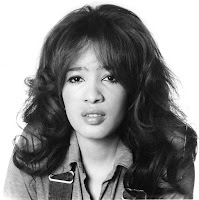
Sunday, January 2, 2022
Announcing the 8th Annual Favourite TV Show Episode Blogathon
I am announcing A Shroud of Thoughts' eighth annual "Favourite TV
Show Episode Blogathon". The first seven years were fairly successful, so
I am looking forward to another year's worth of good blog posts. For
those unfamiliar with the Favourite TV Show Episode Blogathon, it is a
blogathon in which bloggers write entries about their favourite episodes
of their favourite classic television shows. This year it will take
place on March 18th, 19th, and 20th 2022.
Here are the ground rules:
1. Posts in the blogathon must be about an episode from a scripted drama. Episodes of reality shows, talk shows, game shows, and variety shows are ineligible. That having been said, posts can be on episodes from any genre of scripted dramas: animated shows, anthology shows, detective shows, police procedurals, science fiction shows, situation comedies, and so on. I also have to say that episodes can be from scripted dramas that aired at any time of day. They don't have to be from prime time alone. If one wanted to write about his or her favourite episode from his or her favourite Saturday morning cartoon or daytime soap opera, one could.
2. Because this blogathon is dedicated to classic television and I think a classic is something that must have stood the test of time, episodes must be from shows that are at least 25 years old. That means one cannot write posts on episodes from shows that debuted after 1997 (nothing from CSI: Crime Scene Investigation, let alone Blackish). Now here I want to point out that the episode itself does not have to be 25 years old, only the show on which it aired. Law & Order debuted in 1990 and ran until 2010, so that its final season aired after 1997. Because Law & Order is over 25 years old, however, one could still write about an episode that aired in the 2009-2010 season.
3. Given my love of British television, it should come as no surprise that posts do not have to be about episodes from American shows alone. Posts can be about episodes from any show from any country as long as the show is a scripted drama and debuted over 25 years ago. If you want to write about your favourite episode of The Saint, The Little Hobo, Jaianto Robo, or Escrava Isaura, you can.
4. I am asking that there please be no duplicates. That having been said, if someone has already chosen to cover "Nightmare at 20,000 Feet" from The Twilight Zone, someone else could still write about another Twilight Zone episode.
5. In keeping with ground rule no. 4, I am asking that if you participated in the past years' blogathons that you write about a different episode from what you did the past years. That having been said, you could write about an episode from the same show. If you wrote about the Star Trek episode "Amok Time" last year, then you could write about the Star Trek episode "The Trouble with Tribbles" this year.
6. I am not going to schedule days for individual posts. All I ask is that the posts be made on or between March 18, March 19, or March 20 2022.
7. On March 18 I will set up the page for the blogathon. I ask that you link your posts to that page. If you want you can use one of the graphics below or make your own!
If you want to participate in the Favourite Television Show Episode Blogathon, you can simply comment below or you can get a hold of me either on Twitter at mercurie80 or at my email: mercurie80 at gmail.com.
Below is a roster of participants and the topics they are covering. Come March 18 I will make a post that will include all of the posts in the blogathon.
Cinematic Scribblings: The Adventures of Pete & Pete, "Grounded for Life;"Little House on the Prairie, "Goodbye, Mrs. Wilder"
Realweegiemidget Reviews: The Colbys, "Crossroads"
A Shroud of Thoughts: Maverick, "Hadley's Hunters"
Taking Up Room: The Wonder Years, "Dance with Me"
By Rich Watson: The Twilight Zone, "The Mighty Casey"
Caftan Woman: Perry Mason, "The Case of the Sausalito Sunrise"
Dubsism: The Rockford Files, "Foul on the First Play"
Dennis Bedard: Hogan's Heroes, "The War is Over"
CineMaven's Essays from the Couch: The Golden Girls, "Isn't It Romantic?"
wolffian classic movies digest: Batman, "Fine Feathered Finks"/"The Penguin's a Jinx"
Whimsically Classic: The Mary Tyler Moore Show, "Rhoda the Beautiful"
Old Books and Movies: Bonanza, "The Wooing of Abigail Jones"
Hamlette's Soliloquy: Five Mile Creek, "Good Old Reliable Me"
The Caffeinated Fangirl: Combat!, "Billy the Kid"
Another Old Movie Blog: Peter Gunn, "Sing a Song of Murder"
Moon in Gemini: The Odd Couple, "Password"
Crítica Retrô: Pixie and Dixie and Mr. Jinx: "Jinx Jr."
Below are some graphics you can use for the blogathon (or you can always make your own)!
Here are the ground rules:
1. Posts in the blogathon must be about an episode from a scripted drama. Episodes of reality shows, talk shows, game shows, and variety shows are ineligible. That having been said, posts can be on episodes from any genre of scripted dramas: animated shows, anthology shows, detective shows, police procedurals, science fiction shows, situation comedies, and so on. I also have to say that episodes can be from scripted dramas that aired at any time of day. They don't have to be from prime time alone. If one wanted to write about his or her favourite episode from his or her favourite Saturday morning cartoon or daytime soap opera, one could.
2. Because this blogathon is dedicated to classic television and I think a classic is something that must have stood the test of time, episodes must be from shows that are at least 25 years old. That means one cannot write posts on episodes from shows that debuted after 1997 (nothing from CSI: Crime Scene Investigation, let alone Blackish). Now here I want to point out that the episode itself does not have to be 25 years old, only the show on which it aired. Law & Order debuted in 1990 and ran until 2010, so that its final season aired after 1997. Because Law & Order is over 25 years old, however, one could still write about an episode that aired in the 2009-2010 season.
3. Given my love of British television, it should come as no surprise that posts do not have to be about episodes from American shows alone. Posts can be about episodes from any show from any country as long as the show is a scripted drama and debuted over 25 years ago. If you want to write about your favourite episode of The Saint, The Little Hobo, Jaianto Robo, or Escrava Isaura, you can.
4. I am asking that there please be no duplicates. That having been said, if someone has already chosen to cover "Nightmare at 20,000 Feet" from The Twilight Zone, someone else could still write about another Twilight Zone episode.
5. In keeping with ground rule no. 4, I am asking that if you participated in the past years' blogathons that you write about a different episode from what you did the past years. That having been said, you could write about an episode from the same show. If you wrote about the Star Trek episode "Amok Time" last year, then you could write about the Star Trek episode "The Trouble with Tribbles" this year.
6. I am not going to schedule days for individual posts. All I ask is that the posts be made on or between March 18, March 19, or March 20 2022.
7. On March 18 I will set up the page for the blogathon. I ask that you link your posts to that page. If you want you can use one of the graphics below or make your own!
If you want to participate in the Favourite Television Show Episode Blogathon, you can simply comment below or you can get a hold of me either on Twitter at mercurie80 or at my email: mercurie80 at gmail.com.
Below is a roster of participants and the topics they are covering. Come March 18 I will make a post that will include all of the posts in the blogathon.
Cinematic Scribblings: The Adventures of Pete & Pete, "Grounded for Life;"Little House on the Prairie, "Goodbye, Mrs. Wilder"
Realweegiemidget Reviews: The Colbys, "Crossroads"
A Shroud of Thoughts: Maverick, "Hadley's Hunters"
Taking Up Room: The Wonder Years, "Dance with Me"
By Rich Watson: The Twilight Zone, "The Mighty Casey"
Caftan Woman: Perry Mason, "The Case of the Sausalito Sunrise"
Dubsism: The Rockford Files, "Foul on the First Play"
Dennis Bedard: Hogan's Heroes, "The War is Over"
CineMaven's Essays from the Couch: The Golden Girls, "Isn't It Romantic?"
wolffian classic movies digest: Batman, "Fine Feathered Finks"/"The Penguin's a Jinx"
Whimsically Classic: The Mary Tyler Moore Show, "Rhoda the Beautiful"
Old Books and Movies: Bonanza, "The Wooing of Abigail Jones"
Hamlette's Soliloquy: Five Mile Creek, "Good Old Reliable Me"
The Caffeinated Fangirl: Combat!, "Billy the Kid"
Another Old Movie Blog: Peter Gunn, "Sing a Song of Murder"
Moon in Gemini: The Odd Couple, "Password"
Crítica Retrô: Pixie and Dixie and Mr. Jinx: "Jinx Jr."
Below are some graphics you can use for the blogathon (or you can always make your own)!
Saturday, January 1, 2022
Happy New Year 2022
Here at A Shroud of Thoughts I like to begin the year with a bit of cheesecake. So, without further ado, here are this year's classic pinups!
The appropriately named Lois January is using part of her calendar as a skirt!
Piper Laurie is opening the New Year by relaxing on a large clock.
Cyd Charisse is opening 1950 spinning on a top.
Mara Corday likes to open the New Year with lots of balloons!
Debra Paget is so eager for the New Year to begin she is moving the clock up!
And last but not least, the lovely, leggy Ann Miller wishes everyone a Happy New Year!
Happy New Year!
Piper Laurie is opening the New Year by relaxing on a large clock.
Cyd Charisse is opening 1950 spinning on a top.
Mara Corday likes to open the New Year with lots of balloons!
Debra Paget is so eager for the New Year to begin she is moving the clock up!
And last but not least, the lovely, leggy Ann Miller wishes everyone a Happy New Year!
Happy New Year!
Subscribe to:
Posts (Atom)